How to Choose an Event Medical Cover Provider
Planning a larger event? Learn how to choose an event medical cover provider, what to ask for, and how to make your medical plan defensible.
Choosing an event medical cover provider is not just about finding someone with a first aid bag and a high-vis jacket.
For a small, low-risk community event, simple event first aid cover may be entirely proportionate. But once your event becomes larger, longer, licensed, alcohol-led, activity-based, spread across a complex site, or subject to Safety Advisory Group scrutiny, the question changes.
It is no longer:
"How many first aiders can we get for the lowest price?"
It becomes:
"Can this provider properly assess our event, explain the clinical risks, resource the site safely, support our event plan, and stand behind their decisions if challenged?"
That is where good event medical cover starts.
This guide explains what organisers should look for when choosing an event medical cover provider, what questions to ask, and how to avoid common mistakes that leave events underprepared.
Event first aid cover and event medical cover are not always the same thing
The terms are often used interchangeably, but they should not mean the same thing in planning.
event first aid cover usually means qualified responders providing immediate care for lower-risk events. This might include cuts, faints, minor injuries, basic life support, use of an AED, and escalation to 999 where needed.
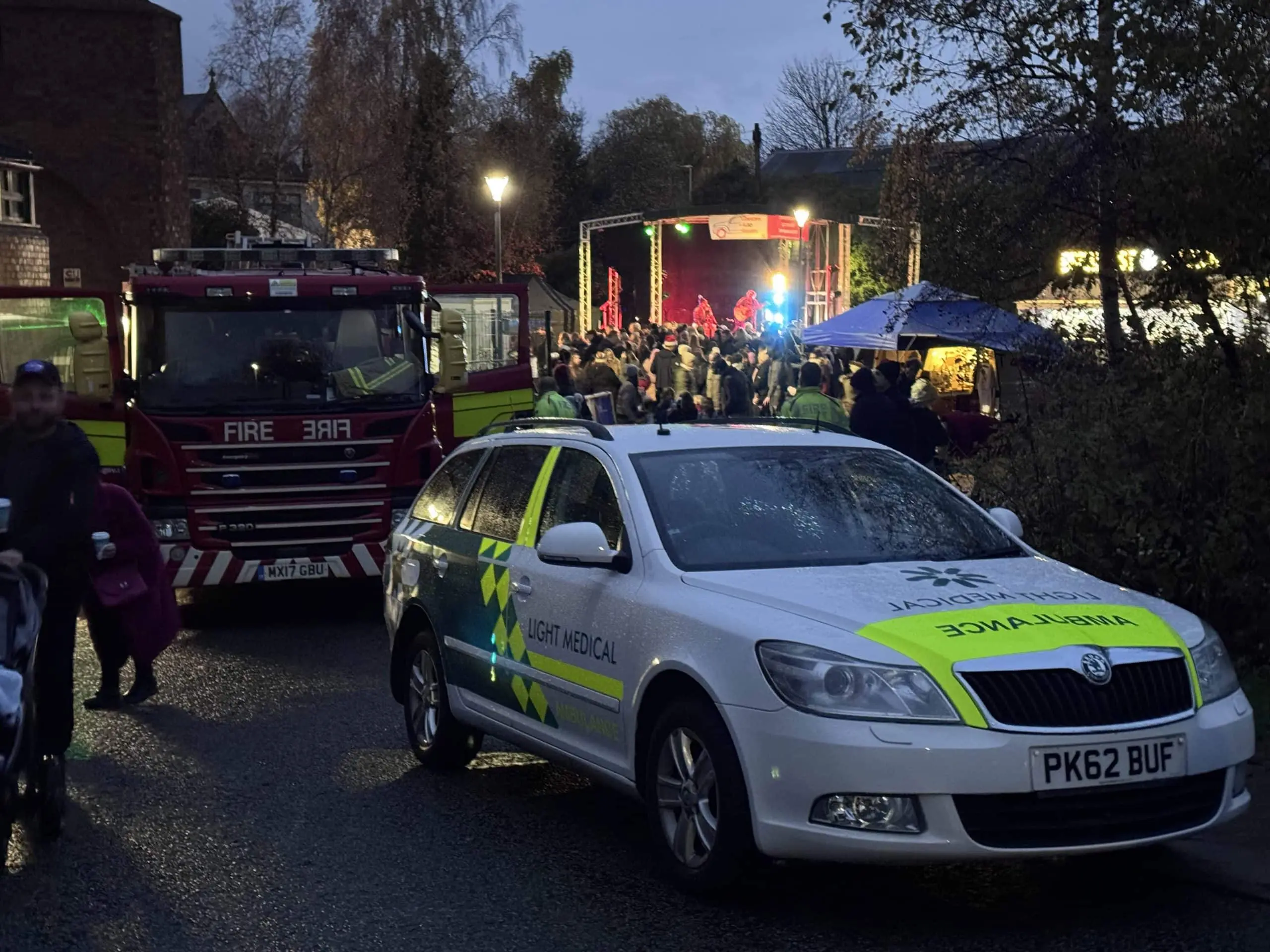
event medical cover is a more structured clinical provision. It may include first responders, Emergency Care Assistants, Emergency Medical Technicians, paramedics, nurses, doctors, treatment facilities, mobile response, medical control, welfare pathways, medicines governance, clinical records, and ambulance arrangements depending on the event risk profile.
The key point is simple: the right level of cover should follow the risk, not the budget.
A village fête does not need a hospital in a tent. A multi-day festival with alcohol, camping, welfare concerns, poor site access and foreseeable hospital referrals should not be planned around "one first aider near the gate".
If you are still working out baseline staffing expectations, see our guide on how many first aiders you need. For broader context on planning models, read the basics of event medical cover.
Start with a proper Medical Needs Assessment
A good provider should not quote properly without understanding your event.
For larger or more complex events, the provider should complete or contribute to a Medical Needs Assessment. This looks at the event as a whole, not just the attendance number.
The assessment should consider:
- the type of event
- expected attendance and peak attendance
- age profile and vulnerable groups
- alcohol and drug risk
- activity risk
- weather exposure
- event duration
- camping
- site layout and terrain
- access and egress routes
- distance to hospital
- previous casualty data
- likely presentation rate
- likely hospital referrals
- whether an ambulance or off-site transfer arrangement is needed
- whether a healthcare professional should lead the provision
- whether welfare, safeguarding or mental health demand is foreseeable
This is where many poor plans fail. They start with a number of staff and try to justify it afterwards.
A stronger plan starts with the event risk, predicts the likely demand, then builds the staffing model, equipment, treatment space, communications and escalation arrangements around that.
Check whether the provider understands larger event operations
At a larger event, the medical team is not just treating twisted ankles.
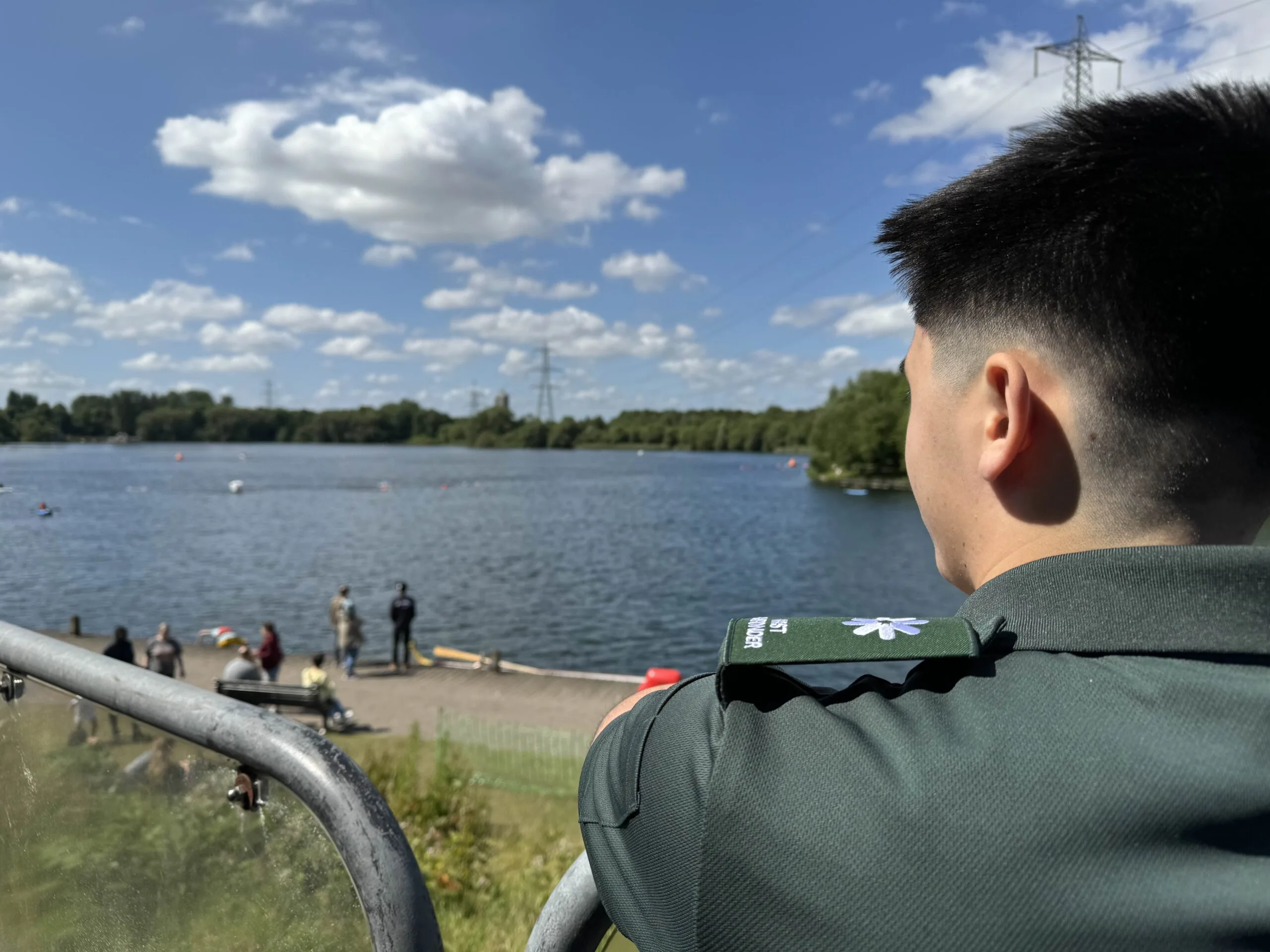
They are part of the wider safety system.
Your medical provider should understand how to work with:
- event control
- safety officers
- security
- stewarding teams
- welfare teams
- local authority officers
- Safety Advisory Groups
- NHS ambulance services where relevant
- fire and rescue services
- police, where appropriate
- venue management
- production teams
- campsite management
That does not mean every event needs a multi-agency control room. It does mean the medical provider should know how information moves, who makes decisions, how requests for medical assistance are received, and how incidents are escalated.
For larger events, ask:
- "Who is your medical lead on site?"
- "Will they be hands-on treating patients, or will they be free to coordinate the service?"
- "How will your team communicate with event control?"
- "What happens if your only ambulance leaves site with a patient?"
- "How do staff request security support?"
- "How do stewards request medical assistance?"
- "What is your plan if demand exceeds your resources?"
If the answers are vague, the plan is not ready.
Look carefully at skill mix, not just headcount
A common mistake is asking only:
"How many medics are coming?"
That is not enough.
You need to know what grade they are, what they are trained to do, what equipment they carry, what medicines they can administer, and who is clinically accountable.
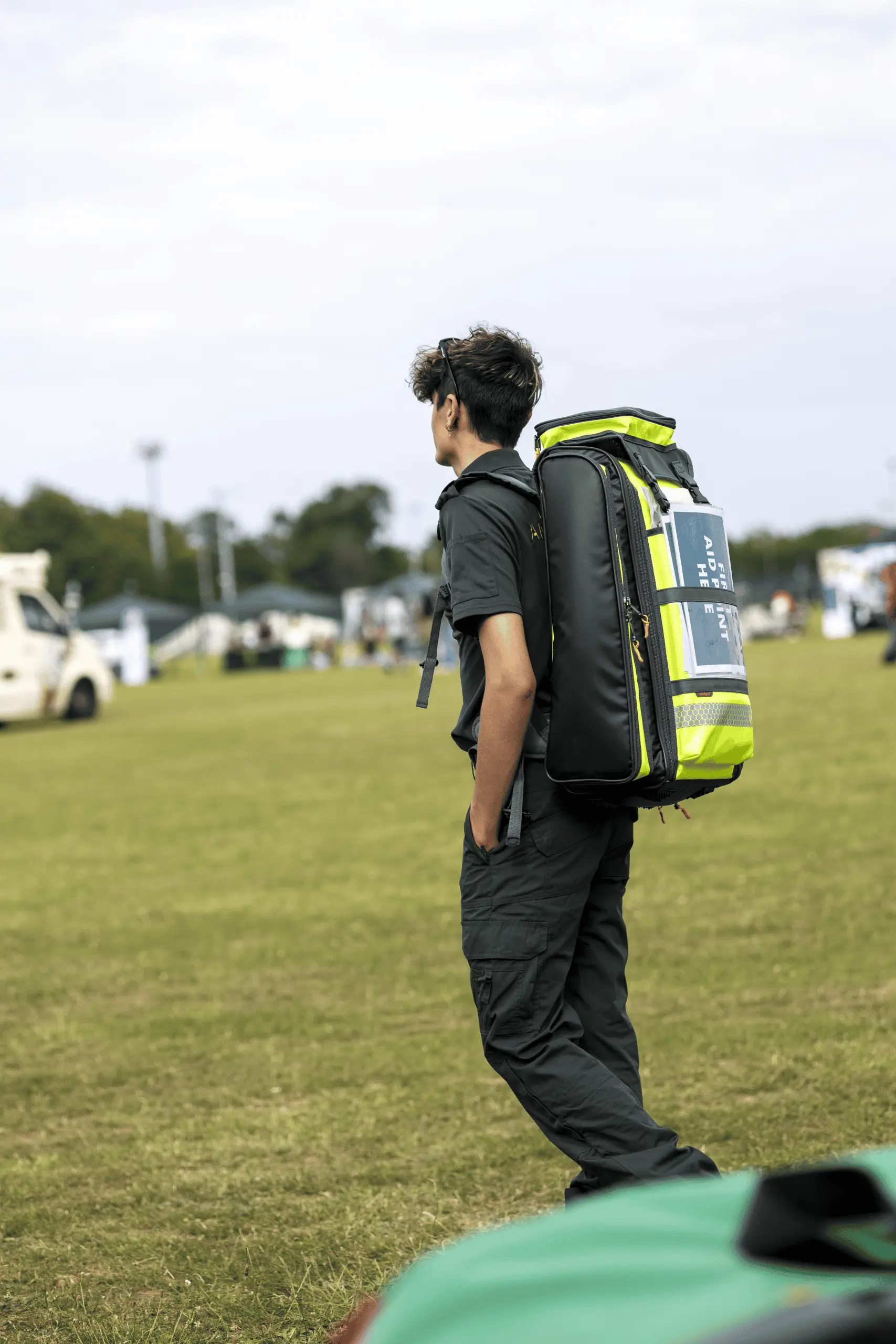
Two staff can mean very different things.
Two basic first aiders may be suitable for a low-risk daytime event with easy ambulance access.
One experienced Emergency Care Assistant and one paramedic may offer far greater clinical capability for a more complex event.
A larger festival might need first responders, paramedics, welfare, medical control, a treatment area, mobile response and ambulance capability.
The question is not just "how many?" It is:
"What capability do we have at each point in the event?"
A good provider should explain the proposed skill mix in plain English. They should also be able to show that staff are qualified, insured, competent and working within an agreed scope of practice.
Be cautious with vague role titles
Event healthcare has a language problem.
Words like "medic", "advanced medic", "event medic" and "ambulance crew" are not always protected titles. Different providers may use the same title to mean very different levels of training and clinical capability.
Protected professional titles such as paramedic, nurse and doctor can be checked against professional registers. Other titles need more scrutiny.
For non-registered staff, ask what qualification they hold and how that maps to recognised pre-hospital care levels. Common examples include FREC 3, FREC 4, FREUC 5, ambulance technician routes and other equivalent qualifications.
A credible provider should not be defensive about this. They should expect the question.
Ask for:
- staff grades
- qualification requirements
- registration checks for healthcare professionals
- DBS approach
- insurance
- scope of practice
- medicines governance
- safeguarding arrangements
- infection prevention and control arrangements
- patient record process
- clinical governance lead
- complaints and incident process
If a provider cannot explain who is attending and what they can actually do, do not build your event plan around them.
Ask what documentation you will receive
For a larger event, a quote is not enough.
You should expect a clear set of documents proportionate to the size and complexity of the event.
This may include:
- Medical Needs Assessment
- Event Medical Plan
- site medical deployment plan
- staffing and skill mix summary
- communications plan
- escalation plan
- major incident or critical incident arrangements
- safeguarding and welfare interface
- patient flow process
- infection prevention and control arrangements
- waste and sharps arrangements
- medicines and medical gases governance
- ambulance and transfer arrangements
- post-event report
The medical plan should not feel like a copy-and-paste template with the event name swapped at the top. It should reflect your actual site, your timings, your audience and your risks.
A good test is this:
If a steward found an unwell person at the far side of the site, could the plan explain how medical help would be requested, dispatched, guided in, treated, documented and escalated?
If not, the plan needs work.
Make sure the treatment area is realistic
For small events, a simple first aid point may be enough.
For larger events, the treatment space matters.
Depending on risk, the medical area may need:
- privacy for assessment
- weather protection
- lighting
- power
- hand hygiene
- clinical waste arrangements
- access for wheelchairs and stretchers
- clear signage
- safe access and egress
- space for waiting patients
- a route for ambulance access
- cooling in hot weather
- heating in cold weather
- a welfare link if intoxication, distress or safeguarding concerns are likely
A gazebo with no lighting, no privacy, no water, no chairs, no waste plan and poor vehicle access may be a first aid point in name only.
This is especially important for evening events, fireworks displays, festivals, outdoor cinemas, road races, music events, motorsport, equestrian events and events using temporary sites.
Do not rely on 999 as the medical plan
The NHS ambulance service is there for emergencies. It should not be used as a routine substitute for inadequate event provision.
Your event plan should consider what can be safely managed on site and what needs escalation. It should also consider what happens if an ambulance response is delayed, the site is hard to access, or your own medical team is already committed to another patient.
For larger events, your provider should be able to explain:
- what they can manage on site
- what they would refer to hospital
- what would trigger a 999 call
- whether an ambulance resource is needed
- whether off-site transfer is part of the plan
- how on-site cover is maintained if a patient leaves site
- how emergency services will access the event
This is not about replacing the NHS. It is about reducing avoidable pressure on local services and making sure genuinely urgent patients get the right response quickly.
Understand the CQC and Event Healthcare Standard direction of travel
The regulatory landscape for event healthcare in England is changing.
The important practical point for organisers is this: the days of choosing a provider based only on price and a logo are ending.
Where clinical treatment is being provided at sporting or cultural events and falls within regulated activity criteria, providers may need to be registered with the Care Quality Commission under the developing arrangements. First aid remains distinct, but events that include healthcare professionals, treatment of disease, disorder or injury, or more advanced clinical models need proper governance.
The developing Event Healthcare Standard is also expected to strengthen expectations around how event healthcare is assessed, planned, delivered and evidenced.
For organisers, this means your provider should be able to discuss:
- whether the proposed service is first aid, event medical cover, or regulated healthcare activity
- what governance sits behind the clinical model
- how staff competence is assured
- how medicines are controlled
- how records are managed
- how incidents are reviewed
- how the medical plan supports licensing, SAG and insurer expectations
You do not need to become a regulatory expert. But you do need a provider who understands the landscape and can explain it without hand-waving.
What larger event organisers should ask before booking
Before confirming an event medical cover provider, ask these questions:
1. Have you completed a Medical Needs Assessment?
For larger events, the answer should not be "we just send two medics to everything".
2. What guidance are you using?
The answer should normally include recognised event safety guidance such as the Purple Guide, relevant sector guidance, local authority expectations and event-specific risk assessment.
3. What staff grades are attending?
Ask for actual grades and qualifications, not generic titles.
4. Who is clinically leading the event?
There should be a named lead, and for more complex events that person should not be so overloaded with hands-on treatment that nobody is coordinating the service.
5. What equipment and medicines are included?
The kit should match the event risk and the staff scope of practice.
6. What records will you keep?
All patient contacts should be recorded. The provider should understand confidentiality, retention and information sharing.
7. How do stewards, security and event control request medical help?
This should be clear before the event opens.
8. What happens if there are multiple patients at once?
A plan that only works for one minor injury at a time is not a plan for a larger event. Peak demand is often more important than the daily total — see why the busiest hour matters when planning event medical cover.
9. What happens if someone needs hospital?
The provider should explain the escalation and transfer process, including whether an ambulance is required and how on-site cover is preserved.
10. What post-event report will we receive?
For larger events, a post-event summary helps you evidence what happened, review issues and improve next year's plan.
Red flags when choosing a provider
Be cautious if a provider:
- gives a quote without asking detailed event questions
- bases cover only on attendance numbers
- cannot explain staff grades
- uses vague titles without qualification detail
- says "we'll just call 999" for anything significant
- has no clear patient record process
- cannot provide insurance details
- cannot explain medicines governance
- has no safeguarding process
- has no infection prevention and control arrangements
- cannot produce a written medical plan
- offers an ambulance but cannot explain whether it is for on-site movement, off-site transfer, or both
- double-hats security, stewards or welfare staff as the medical provision
- treats every event as basically the same
Cheap cover can become expensive very quickly if something goes wrong and the plan cannot be defended.
What a good event medical provider should add
A strong provider does more than turn up on the day.
They should help you:
- understand the medical risk profile of your event
- choose proportionate cover
- avoid overbuying unnecessary resources
- avoid under-planning foreseeable risks
- produce a clear medical plan
- reassure venues, insurers and local authorities
- reduce avoidable NHS pressure
- manage patients safely on site where appropriate
- escalate promptly when needed
- record care properly
- learn from the event afterwards
Good providers are not there to scare organisers into buying the biggest package. They are there to make the event safer, more resilient and easier to defend.
How LightMed approaches larger event medical cover
At LightMed, we plan event medical cover from the risk assessment outward.
That means we look at the event first, then recommend the provision. We do not believe in selling a paramedic-led team to a low-risk community event that only needs proportionate first aid cover. Equally, we will not pretend a complex licensed event can be covered safely with one under-supported first aider because it keeps the quote low.
For larger or higher-risk events, our planning process may include:
- Medical Needs Assessment
- written Event Medical Plan
- staffing and skill mix matched to risk
- first responders, Emergency Care Assistants, EMTs, paramedics, nurses or doctors where required
- treatment area planning
- communications and escalation routes
- welfare and safeguarding interface
- patient record keeping
- post-event reporting
- honest advice where the event needs more, less, or different provision than originally expected
We work with organisers who want their event medical cover to be proportionate, practical and defensible.
Final thoughts
Choosing an event medical cover provider is not a box-ticking exercise.
For larger events, the provider becomes part of your safety system. They need to understand your event, your site, your audience, your risks and your operational reality.
The right provider will ask detailed questions. They will sometimes challenge assumptions. They will explain their recommendations. They will document what they are doing and why. They will understand the difference between basic first aid, event medical cover and regulated healthcare activity.
That is what makes medical provision credible.
Not the biggest logo.
Not the cheapest quote.
Not the longest list of kit.
A proper assessment, a sensible plan, the right people, clear governance, and a team that can deliver when the event gets busy.
Need event medical cover for a larger event?
LightMed provides event medical cover and event healthcare services across the North West and wider UK, with provision scaled from qualified first responders through to paramedic-led and clinician-supported teams.
If you are planning a larger event, licensed event, sporting event, festival, public gathering or complex temporary site, we can help you work out what level of cover is genuinely needed.
Request a quote and we will review your event details, advise honestly, and help you build a medical plan that is proportionate, practical and defensible.