Outdoor Cinema Event First Aid: What Medical Cover Do You Need?
Outdoor cinema event first aid is often underestimated. Here's a practical guide to planning event medical cover using Purple Guide tiers and UK best practice.
Outdoor cinema event first aid is often underestimated, this guide explains what medical cover you actually need, and why.
There is a reason outdoor cinema nights feel deceptively low risk. You picture blankets, popcorn, a family film, and a calm audience. In reality, you have a temporary venue, darkness, uneven ground, trip hazards, weather exposure, and large numbers of people moving at the same time, often in a field or park with limited lighting and access routes.
If you are organising an outdoor cinema (or a drive-in / pop-up screening), the practical question is usually:
"What medical cover do I actually need, and how do I justify it?"
This guide walks you through a sensible, best-practice aligned approach to event first aid and event medical cover for outdoor cinema events, using recognised event standards and UK guidance.
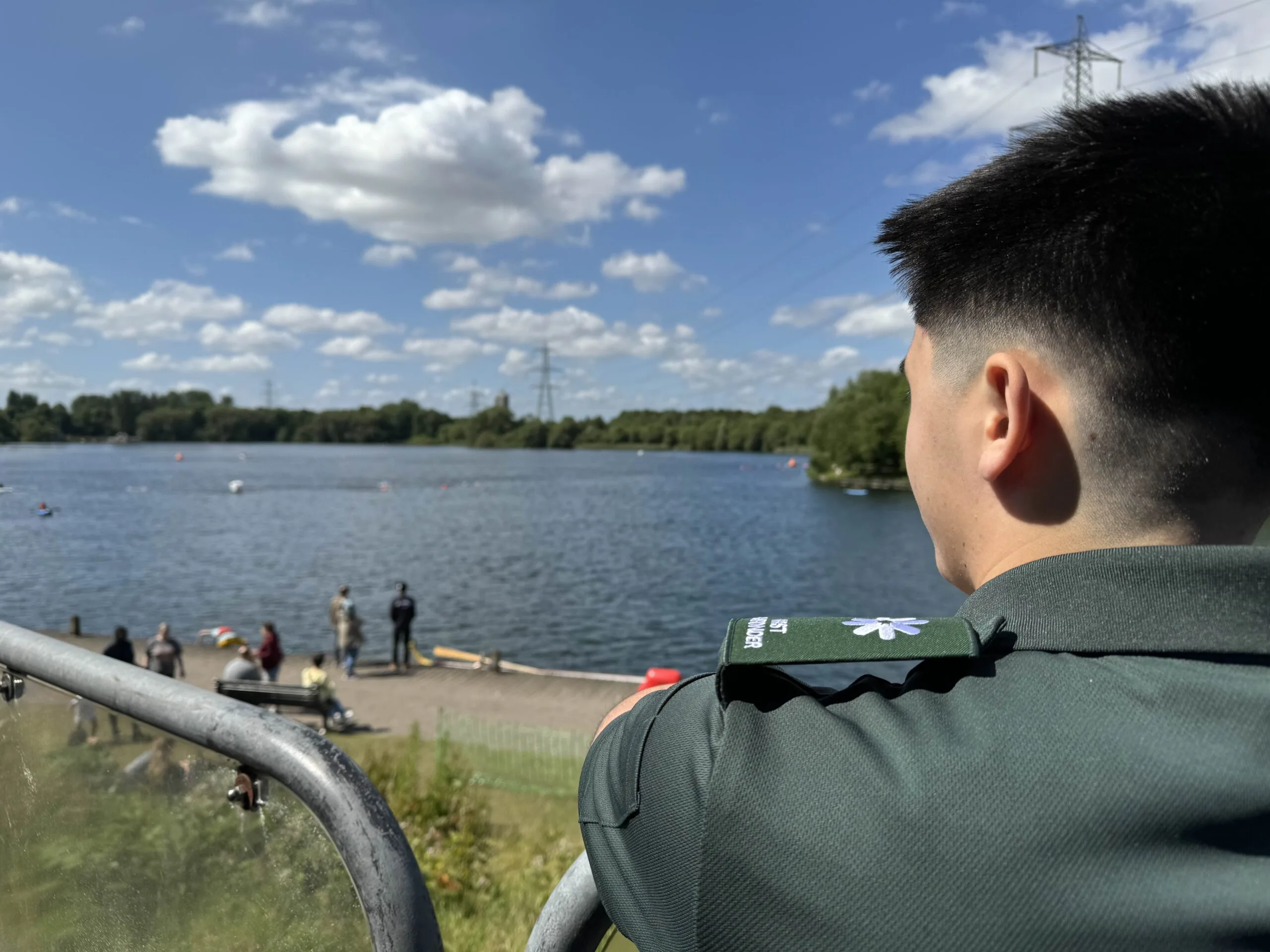
Outdoor cinema event first aid: why medical cover matters
Even "quiet" events generate casualties. Outdoor cinemas tend to produce:
- Slips, trips and falls (uneven ground + darkness + cables + blankets/chairs)
- Minor injuries (cuts, sprains, head bumps)
- Medical presentations (asthma, chest pain, seizures, hypoglycaemia, fainting)
- Alcohol-related issues (if licensed, even social drinking can change the risk profile)
- Crowd pinch points (entry queues, toilets, food vendors, exits at the end)
And crucially: you often have reduced visibility and slower access, so even small issues can escalate if they are not picked up early.
From an organiser's perspective, this is also part of overall event safety management. The HSE is clear that event organisers are responsible for maintaining safety so far as reasonably practicable, including having arrangements in place to control risks and ensuring competent people are used.
Key risk factors specific to outdoor cinema events
Outdoor cinemas have their own signature risk pattern. A decent medical needs assessment focuses on these specifics:
1) Darkness and uneven terrain
Once the film starts, visibility drops. People keep moving for toilets, children wander, and trip hazards become harder to spot. That means you can expect ankle and knee injuries, head strikes, and general cuts, grazes, and bruises.
2) Temporary infrastructure
Outdoor cinemas usually run on temporary sites, often with:
- Cable runs to projector/screen/sound
- Temporary fencing and crowd routing
- Portable toilets
- Generators and fuel
These do not automatically make your event high tier, but they do increase the likelihood of minor injury. Good outdoor cinema event first aid also includes safe routing around cable runs and generator cordons.
3) Weather exposure
Outdoor cinemas happen outdoors, and UK weather must be considered in your risk assessment.
- Cold nights -> shivering, respiratory exacerbation, increased falls risk
- Hot evenings -> dehydration and fainting (often in queues)
- Rain -> slips, hypothermia risk, and falls on wet ground
4) Crowd flow at predictable times
Outdoor cinema events are not Glastonbury, but you should still expect attendance surges:
- 30-60 minutes before show start (arrivals, ticket scanning)
- Intermission/half-time (snacks and toilets)
- Immediately after the show (exit and car park congestion)
HSE guidance highlights the need to plan for incidents, emergencies, and crowd safety.
5) Alcohol (if licensed)
The Purple Guide tiers explicitly include alcohol and intoxication likelihood as factors that can shift an event upward in complexity and expected first aid demand.
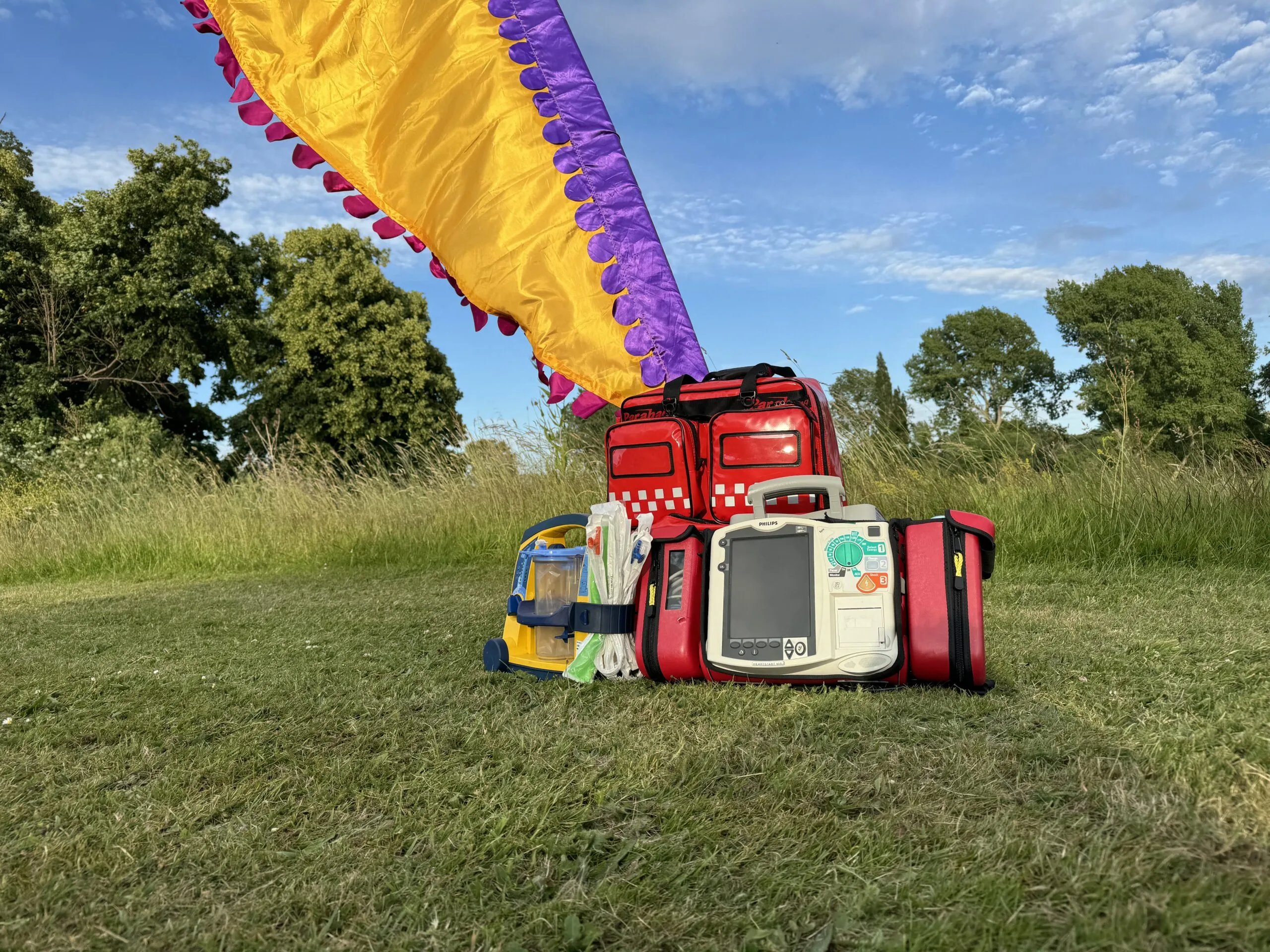
Outdoor cinema event first aid under the Purple Guide tiers
For most outdoor cinema events, you are typically in Tier 1 or Tier 2 unless you add complexity (larger attendance, higher alcohol/drug burden, or more hazardous activities).
The Purple Guide describes:
- Tier 1: small/simple events; can often be covered without a healthcare professional or ambulance, but organisers should still have a suitable first aid kit, someone able to use it, awareness of the nearest defibrillator, and a clear emergency help pathway.
- Tier 2: larger events (often within licensing scope) where a dedicated first aid resource is needed, ideally led by a healthcare professional, with a nominated first aid lead, supporting responders/clinicians, and possibly an ambulance if transfers are expected.
Practical takeaways for outdoor cinema organisers:
- Tier is not just about headcount - it is also duration, environment, alcohol/drugs, and expected hospital referrals.
- Your medical needs assessment should drive your model. The plan must be defensible against foreseeable risks and response times.
Used properly, the tiers help you justify outdoor cinema event first aid based on risk, access, and escalation.
Medical needs assessment
Ambulance services increasingly frame event cover around a medical needs assessment rather than a simple "X first aiders per Y people" ratio.
For example:
- North East Ambulance Service states that cover level should be decided after a medical needs assessment, with reference to guidance such as the Purple Guide.
- West Midlands Ambulance Service similarly advises a comprehensive medical risk assessment and medical plan.
For outdoor cinema, key assessment questions include:
- How many attendees are on site at peak?
- Is the venue flat, lit, and accessible for stretcher/wheelchair movement?
- How far is the nearest ambulance access point and is it controlled?
- Is alcohol sold, or is BYOB allowed?
- What is the audience profile (families, young adults, mixed)?
- What is your evacuation / stop-show plan if weather deteriorates?
- What is your comms setup (radios or phones)?
- Where is your nearest Emergency Department?
What are you actually planning for?
Scenario 1: "just" a twisted ankle
A teenager goes over on uneven ground near the back. Friends lift them into a camping chair. If you only have one static first aider at the front, your sole resource is quickly tied up.
A better model: even a small team of two with radios, able to assess, treat, and coordinate movement to a treatment point.
Scenario 2: chest pain during the film
This can and does happen. Your plan needs:
- a clear emergency pathway (who calls 999 and who meets the ambulance),
- controlled access routes (gates unlocked, marshals briefed),
- medical capability on site to assess and begin immediate care while waiting.
Scenario 3: home-time collapse
As crowds funnel through exits, someone collapses and a crowd-management issue develops around the casualty. Your medical team must be integrated with stewarding and able to extricate safely.
This is exactly why HSE focuses on crowd control planning and incident response.
Common mistakes organisers make with outdoor cinema medical cover
Assuming "family friendly" means first aid kit only
Tier 1 events still need proper planning. Even Tier 1 guidance expects someone able to use a suitable kit and clear AED access.
Only providing a static first aid post
Outdoor cinema incidents happen where people sit, often far from the entrance. A static-only model weakens response.
No plan for lighting, comms, and access
A plan that ignores movement around site in darkness is not operationally credible.
Forgetting build and breakdown risks
HSE is explicit that setup and takedown can involve higher-risk activity and need proper safety controls.
Not integrating medical with other services
If medics cannot request lighting, halt footfall, or open routes rapidly, you lose time when it matters.
How a professional medical provider adds value
A credible event medical provider should:
- complete or support a proper medical needs assessment linked to your event risk assessment,
- provide a clear medical plan (asset locations, treatment setup, response routes, comms, escalation),
- operate with governance (incident documentation, clinical oversight, scope boundaries),
- integrate with stewarding/security around crowd pinch points,
- deploy equipped, competent staff with maintained equipment.
Ambulance services also set out practical checks for organisers when selecting providers, including insurance, registered professionals, and CQC considerations where treatment and transport are provided.
Frequently Asked Questions
Closing: a simple way to make your plan defensible
If you want a confident answer to "what medical cover do I need?", anchor your planning to four practical questions:
- What are the most likely first aid incidents at this event?
- What are the most serious plausible casualties?
- How quickly can we reach, assess, treat, and escalate on this specific site?
- Do we have the skill and equipment to do that reliably?
If you want outdoor cinema event first aid that is proportionate and defensible, document your assessment and link it directly to your site plan.