The work
What is being built, maintained or commissioned? What are the higher-risk activities? Are there shutdowns, lifting operations, confined spaces, work at height, electrical works or other packages that change the clinical risk?
Industrial Medical Services
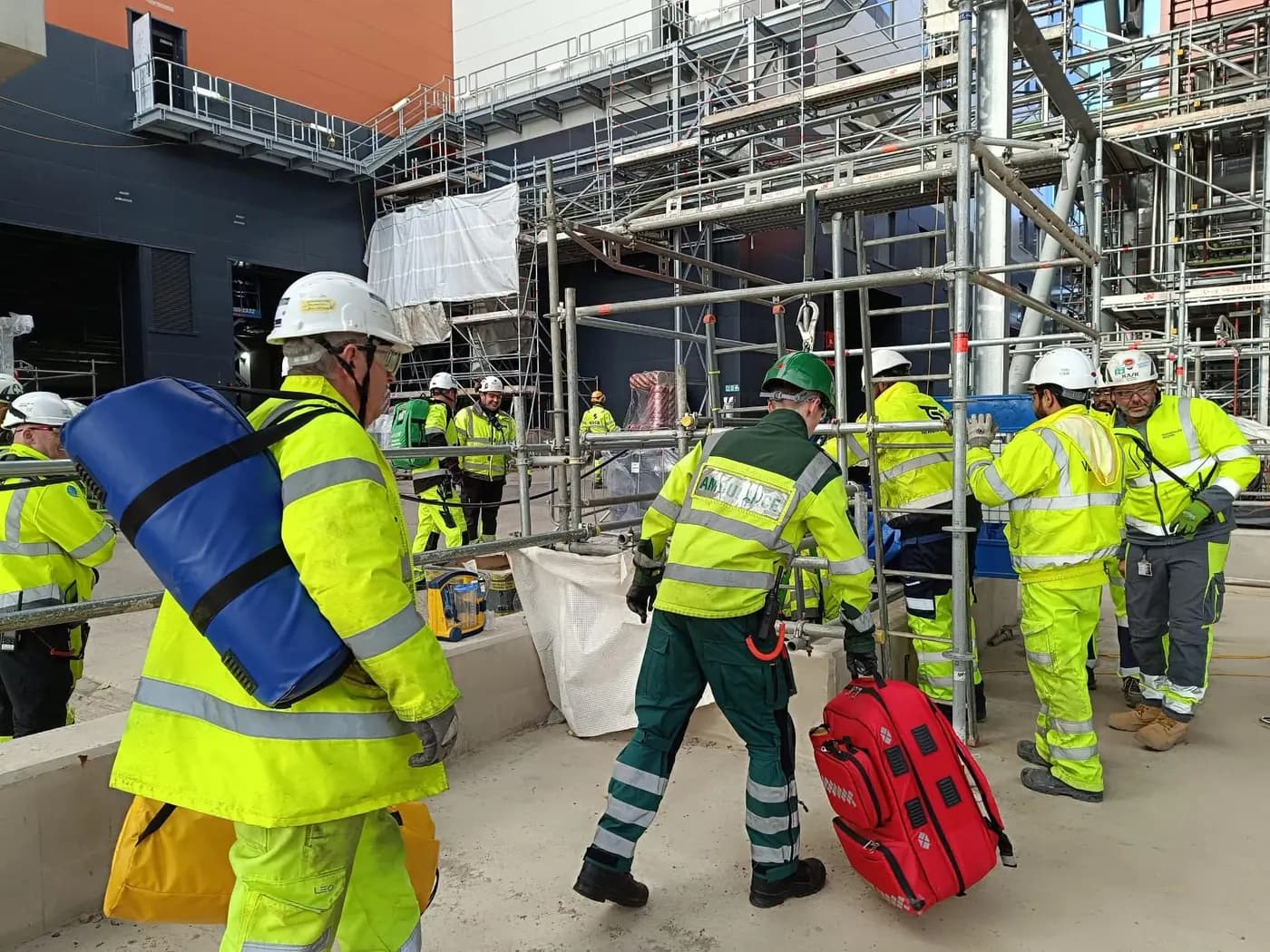
Medical cover for projects where location, access or local emergency response changes what is needed on site.
LightMed provides on-site medical teams, ambulance provision and clinical support for construction, energy, utilities and infrastructure projects across the UK.
We don't start with a standard staffing package. We look at the site, the work being carried out, the workforce and what happens if somebody needs urgent medical care — then build the provision around it.
Access, not distance
A project does not need to be halfway up a mountain to have an access problem.
A large site may have security gates, haul roads, traffic management, isolated workfaces or areas that are difficult to reach quickly. Rural projects can add poor mobile coverage, difficult terrain and long road journeys. Island and coastal work introduces another layer of transport and weather dependency.
All of that matters when planning medical provision.
The important question is not simply how many first aiders are on the project. It is how quickly the right level of care can reach somebody, what can be done for them on site, and how they will be moved if they need further treatment.
That is where we start.
What we can provide
The right arrangement can be very different from one project to another.
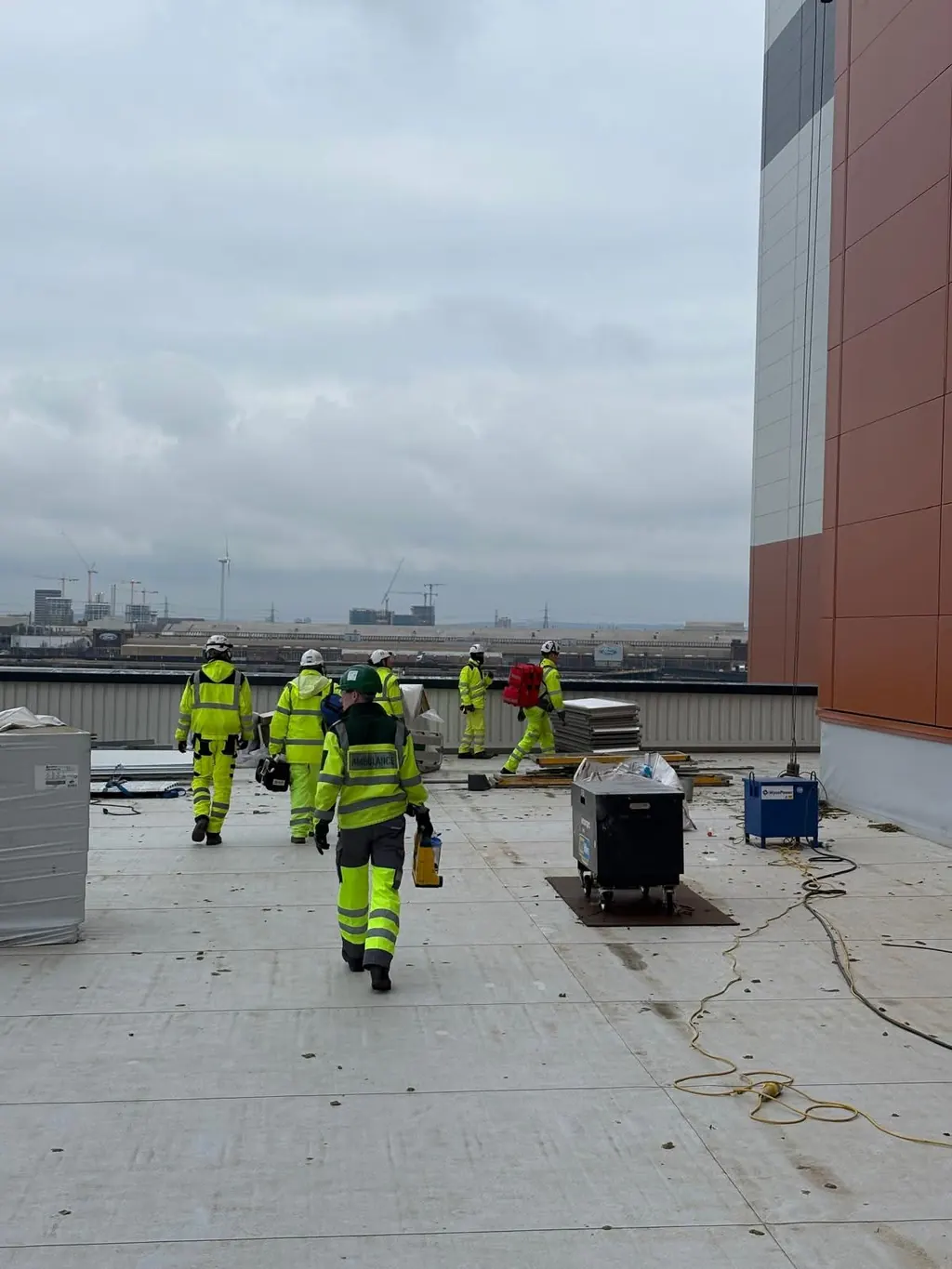
Some sites need an experienced clinician embedded with the workforce during working hours. Others need paramedic-level cover, an equipped treatment room or a dedicated ambulance. Larger or higher-risk projects may need separate clinic and emergency response teams, extended hours, shift cover or additional resilience during particular work packages.
LightMed can provide and coordinate
The level of provision is agreed against the project requirement rather than pulled from a pre-set package.
How we brief a project
Before proposing medical cover, we will normally look at the things that actually affect the response.
What is being built, maintained or commissioned? What are the higher-risk activities? Are there shutdowns, lifting operations, confined spaces, work at height, electrical works or other packages that change the clinical risk?
How many people will be on site, where are they working and when? A workforce spread across several workfaces creates a different response problem to the same number of people working from one compound.
Where does an ambulance enter? How long does it take to get from the gate to the workface? Are there areas that need a 4x4, site vehicle or planned casualty movement before a road ambulance can be reached?
Where is the nearest appropriate emergency care? What ambulance resource is likely to be available locally? Are there periods where access, weather or geography could materially affect the response?
How is an emergency raised? Who contacts the medical team? Where are the rendezvous points? Does the whole site have reliable mobile coverage, or does the plan need to work through radios and site control?
Will the site operate days only, extended hours, weekends, nights or 24-hour shifts? When will workforce numbers and risk peak? What changes as the project moves from construction into commissioning and completion?
From that information we can define the people, equipment, vehicle provision, operating hours and escalation arrangements needed to support the project.
How the team works
On-site healthcare works best when it is part of the project rather than a separate service sitting in a cabin waiting for the phone to ring.
Our teams can work alongside site management, HSE teams, security, emergency response personnel and occupational health providers.
That can include joining emergency-planning meetings, helping establish casualty collection and ambulance rendezvous arrangements, participating in drills and reviewing what changes as the project develops.
For longer deployments, we can also provide routine clinical activity alongside emergency cover — dealing with minor illness and injury, reviewing workers who present to the medical room and supporting appropriate onward referral.
The aim is straightforward: give the workforce access to competent healthcare on site and give the project a medical response that works when it is actually needed.
Ambulance provision
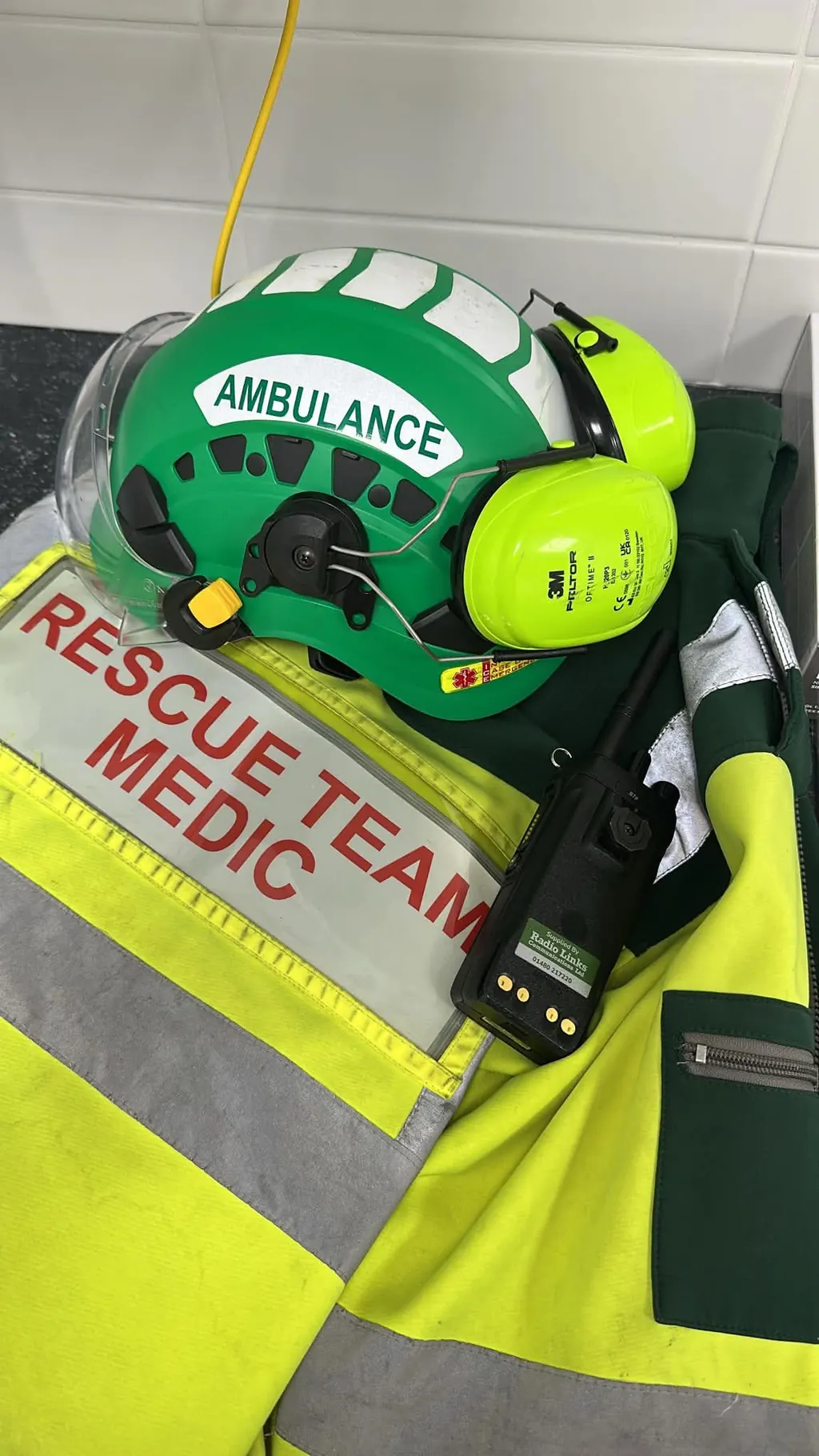
A dedicated ambulance can form part of the medical provision where the project risk, location or emergency arrangements justify it.
LightMed can provide emergency ambulance crews and equipped vehicles alongside the on-site clinical team.
On larger projects, the clinic and ambulance functions can be kept separate. That means routine healthcare does not have to stop because the ambulance has been deployed, and the emergency crew remains available for the job it is there to do.
Vehicle, crew and equipment requirements can be built around the site's emergency arrangements, access conditions and expected scope of response.
Explore Ambulance & Paramedic CoverProgramme changes
Infrastructure projects rarely look the same from mobilisation to handover.
A relatively small workforce during enabling works can become several hundred people during peak construction. Working hours can extend. New contractors arrive. Higher-risk packages start and finish. Commissioning creates different hazards from civils.
The medical provision should be able to move with that.
For longer projects, we can plan the service in phases and review staffing, operating hours, vehicles and supporting services as the programme develops.
Temporary increases in cover can include
This avoids carrying unnecessary resource throughout the whole programme while still allowing the service to increase when the project needs it.
Supporting the deployment
For a long-term deployment, the medical team is only one part of the service.
LightMed can manage the supporting arrangements needed to keep that provision working, including:
Defined scopes of practice, clinical oversight, escalation arrangements, documentation and review.
Project-specific equipment, consumables and medicines with appropriate checking, maintenance and stock control.
Planned rotas, relief cover and mobilisation arrangements for projects that cannot simply leave a clinical position unfilled.
Confidential clinical documentation kept separately from routine project records, with appropriate management reporting.
Integration with the project's wider emergency arrangements, including access, communications, casualty movement, handover and drills.
Useful information on service activity, incidents and emerging trends without compromising individual medical confidentiality.
Where we work
Our remote medical services can be built around projects including:
For general construction site provision, including shorter-term and urban projects, see our Construction Site Medical Cover service.
Emergency arrangements
Where medical response forms part of a wider project emergency plan, LightMed can support the medical elements from mobilisation onwards.
That can include reviewing access and egress, ambulance rendezvous points, casualty collection arrangements, communications, clinical escalation, equipment locations and the interface between the site team and external emergency services.
We can also take part in exercises and use the outcome to improve the arrangements before they are needed for real.
Explore Medical Emergency Response PlanningQuestions project teams usually ask us
Not necessarily. The appropriate clinical level depends on the work, workforce, emergency response arrangements, access to external healthcare and what you expect the on-site clinician to do. Once we understand the project, we can recommend an appropriate level of cover rather than automatically specifying a Paramedic for every remote site.
Yes. We can provide dedicated ambulance capability as part of the wider site medical service, including separate ambulance and clinic teams where the project requires both functions to remain available.
Yes. Where a project operates shifts or around the clock, staffing and relief can be planned around the required operating hours. Cover can also change during the programme if working patterns alter.
Yes. We normally expect the medical arrangements to sit within the project's wider emergency response structure. We can work with the project team on activation, access, communications, rendezvous arrangements, drills and clinical escalation.
Yes. For locations where travel and logistics are part of the operational risk, mobilisation planning can include staff rotations, transport, accommodation, stockholding, equipment resilience and contingencies for disruption.
Yes. Where occupational health is required alongside the on-site medical provision, LightMed can coordinate this within the wider service using appropriately qualified and accredited specialist provision.
Industrial Medical Services
Industrial ambulance standby and HCPC-registered paramedic cover for high-risk works.
ViewOn-site construction medics aligned to CDM, HSE first aid duties and your Construction Phase Plan.
ViewMedical Emergency Response Planning (MERP) — risk profiling, access/egress, drills and escalation pathways.
ViewOccupational health, health surveillance, safety-critical medicals and fitness-for-work support for construction and industrial projects.
ViewProject enquiry
You do not need to know exactly what medical team you require before speaking to us.
Send us the project location, expected workforce, working hours and an outline of the work. If you already have a Construction Phase Plan, emergency arrangements or medical specification, send those too.
We will work through the requirement with you and propose a medical model that fits the project.