Skip to content
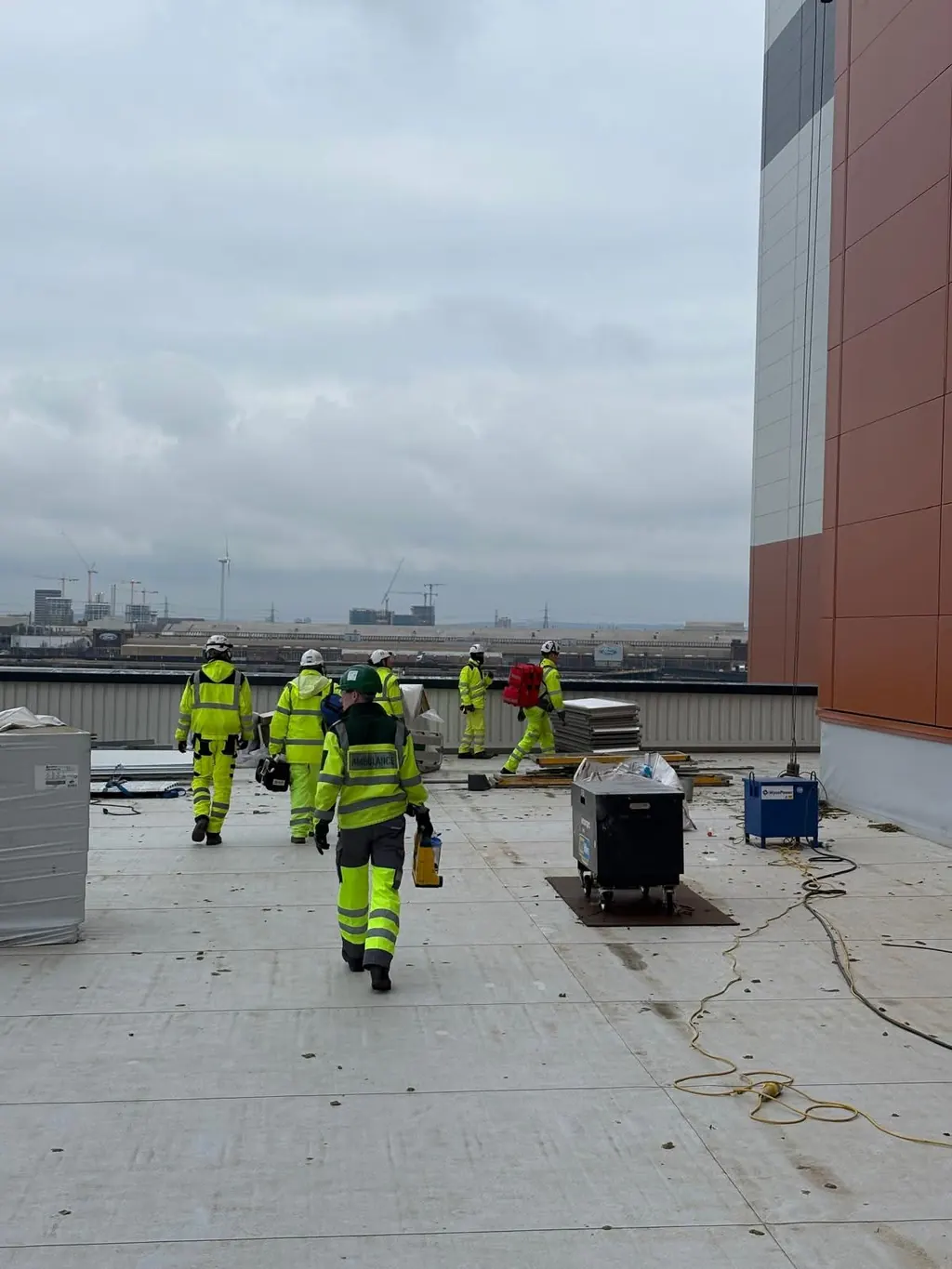
LightMed rescue team medic walking across a rooftop construction site with high-visibility construction workers.

Industrial Medical Services

Occupational Health & Health Surveillance for Industrial Projects

Occupational health built around the work being done on site — not a generic annual screening programme.

LightMed provides occupational health and health surveillance for construction, energy, utilities and infrastructure projects, bringing workforce health into the same service as your on-site clinical provision.

From pre-placement and safety-critical medicals to ongoing surveillance, management referrals and return-to-work support, we can build and manage the programme around your workforce, risks and project schedule.

Project occupational health

One occupational health programme for the project

On a major project, occupational health quickly becomes more complicated than booking a few medicals.

Different trades face different exposures. New workers arrive throughout the programme. Safety-critical roles need appropriate assessment. Surveillance dates need tracking. Abnormal results need clinical follow-up. Managers need clear fitness outcomes without receiving confidential medical information. And all of it has to work around shifts, site access and a workforce that may be spread across several contractors.

LightMed brings those elements together into one managed service.

We can work from your existing occupational health specification or help develop the programme from the project risk profile, workforce plan and identified exposures.

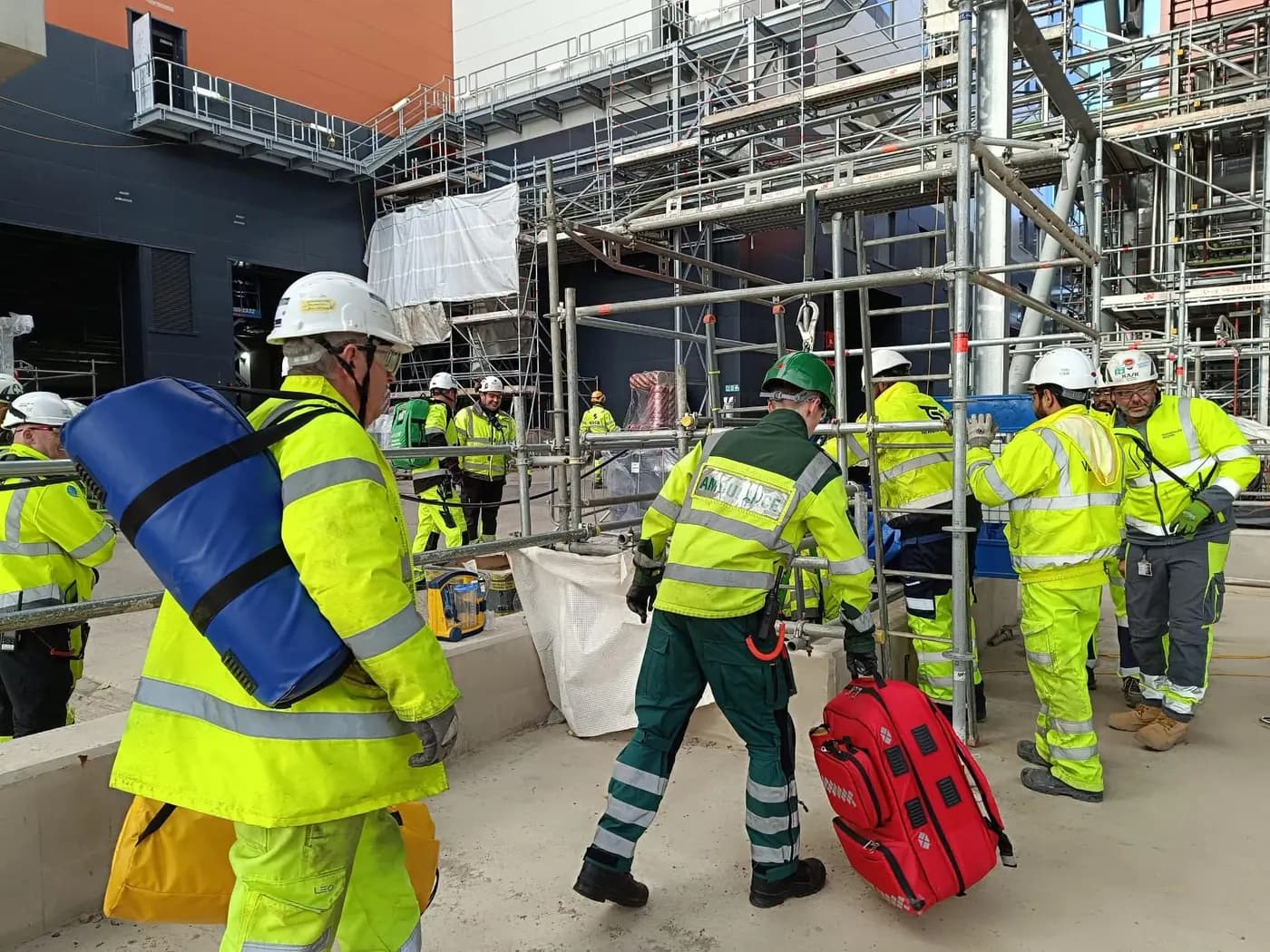
LightMed rescue team medic carrying a response bag on a construction site beside scaffold and high-visibility workers.

What we provide

Occupational health services

Health surveillance

Risk-based surveillance for workers exposed to occupational health hazards, with programmes planned around the exposures identified for each role.

Provision can include

  • Audiometry and hearing surveillance
  • Respiratory surveillance and spirometry
  • Hand Arm Vibration Syndrome (HAVS) surveillance
  • Skin surveillance
  • Vision screening
  • Night-worker assessments
  • Biological monitoring where indicated
  • Baseline, periodic and exit surveillance

Appointments can be planned around project inductions, shift patterns and workforce mobilisation rather than relying solely on workers travelling to external clinics.
Safety-critical & fitness-for-work medicals

Medical assessment for roles where health could affect an individual's ability to carry out the work safely.

This can include new starters, workers moving into safety-critical roles, periodic reassessment and review following a significant change in health.

The outcome gives management the information needed to make a safe deployment decision while the worker's confidential clinical information remains protected.

Pre-placement health assessment

Occupational health can begin before the worker reaches site.

Pre-placement screening helps identify whether further assessment is needed before deployment, whether reasonable adjustments should be considered and whether role-specific surveillance or medical assessment needs to be arranged.

For larger projects, this can form part of the mobilisation process so outstanding occupational health requirements are identified before they become an access or programme problem.

Management referrals

When health begins to affect attendance, performance or the ability to carry out a role safely, managers need useful clinical advice.

Referrals can support decisions around

  • Fitness for work
  • Long-term or repeated absence
  • Health conditions affecting the role
  • Workplace adjustments
  • Restricted duties
  • Phased return to work
  • Rehabilitation
  • Medication or treatment affecting safety-critical activity

The objective is a clear, practical recommendation that helps the project manage the situation appropriately.

Return to work & rehabilitation

Getting somebody back to work is not simply a question of whether they are “fit” or “unfit”.

Occupational health can assess what the individual can safely do, whether temporary restrictions are appropriate and how those restrictions should be reviewed.

Where required, this can link with physiotherapy, MSK support, mental-health services and the on-site clinical team to provide a joined-up route back to work.

Risk-led programmes

Health surveillance should follow the risk

Noise, vibration, dust, fumes, hazardous substances and skin exposure are common across construction and industrial work, but that does not mean every worker needs the same surveillance.

The starting point should be the work being undertaken and the exposure identified through the project's risk-management arrangements.

From there, the occupational health programme can identify:

Who requires surveillance

Roles and groups exposed to relevant hazards.

What surveillance is required

The appropriate assessment for the exposure.

When it needs to happen

Baseline, periodic, triggered and exit requirements.

What happens next

Clinical review, referral, restrictions or further assessment where results require action.

What the project needs to know

Fitness outcomes, compliance information and anonymised trends without unnecessary disclosure of medical information.

A properly run programme gives the project more than a set of certificates. It provides feedback on whether occupational health risks are being controlled effectively.

Delivery

Delivered on site where it makes sense

Sending a large project workforce away from site for routine surveillance costs time and makes attendance harder to manage.

For longer projects, occupational health activity can be brought to the workforce.

Depending on the programme, this can include scheduled on-site clinics, dedicated surveillance days and integration with the project's existing medical facility.

Appointments can be coordinated around

  • Mobilisation and induction
  • Shift changeovers
  • Contractor start dates
  • Annual surveillance cycles
  • Peak workforce periods
  • Planned shutdowns
  • Demobilisation and exit surveillance

Where specialist assessment is needed away from site, the service can manage the referral and follow-up rather than leaving the worker or project team to start again with another provider.

Integrated healthcare

Site healthcare and occupational health should talk to each other

A worker may first present to the site medical team with numb fingers, persistent coughing, hearing concerns, dermatitis, an MSK problem or a health condition affecting their work.

That encounter should not disappear into a separate system with no route onwards.

Where LightMed provides both site healthcare and occupational health support, clear clinical pathways can connect the two services.

The on-site team can identify concerns and make the appropriate referral. Occupational health can assess the relationship between health and work. The project receives the management advice it needs, while confidential clinical information stays within the healthcare service.

That creates a much more useful system than treating emergency medical cover, routine site healthcare and occupational health as three unrelated contracts.

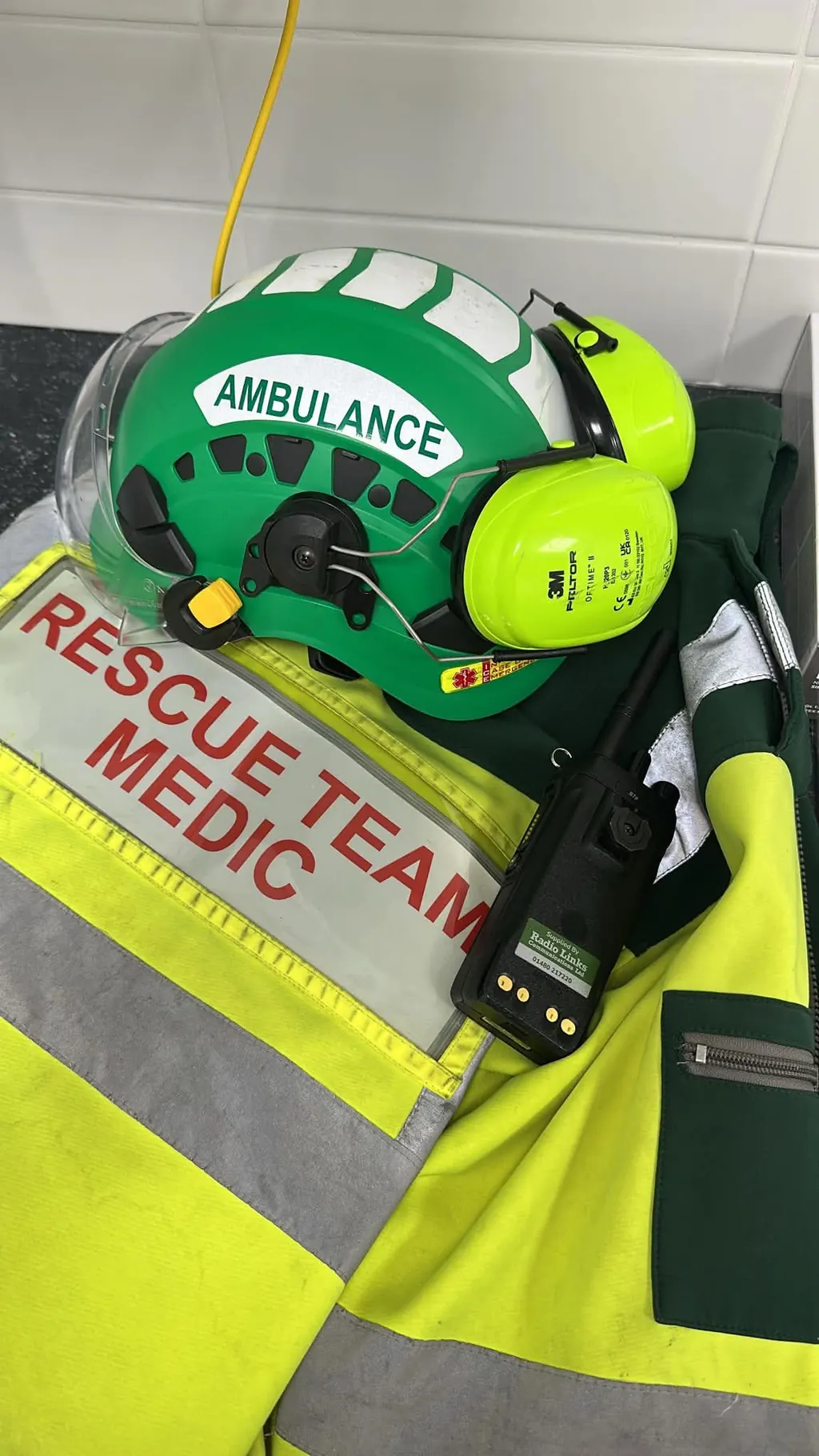
Rescue team medic helmet, radio and high-visibility medical jacket prepared for construction site medical cover.

Project delivery

Built for project mobilisation

Occupational health demand on construction and infrastructure projects rarely arrives neatly.

A contractor may mobilise another hundred workers. A new work package may introduce additional exposure. Night working may start. A health surveillance backlog may be identified. A client may require evidence of fitness before access is granted.

Our programmes can be planned around that reality.

For major projects, LightMed can support

  • Workforce OH requirement mapping
  • Pre-mobilisation screening
  • Surveillance scheduling
  • Safety-critical medicals
  • Appointment coordination
  • Missed-appointment management
  • Referral and follow-up
  • Fitness status tracking
  • Periodic programme review
  • Contractor and supply-chain interfaces
  • Management information and trend reporting

The result is an occupational health programme that is managed as part of project delivery rather than dealt with one appointment at a time.

Management information

Clear information for the people running the project

Occupational health records are clinical records. Project teams do not need — and should not receive — somebody's medical history simply to manage fitness for work.

Management reporting can instead provide the information required to run the programme:

This gives H&S, HR and project management useful information without compromising clinical confidentiality.

Assurance

Occupational health assurance

For major projects, the service can include SEQOHS-accredited occupational health provision, supported by appropriate clinical governance, secure occupational health records and qualified occupational health professionals.

LightMed remains the project-facing service lead, allowing occupational health to sit alongside the wider healthcare provision rather than creating another disconnected workstream for the project team to manage.

Project lifecycle

Occupational health across the project lifecycle

  1. 01

    Mobilisation

    Establish requirements, screen incoming workers, identify safety-critical roles and arrange baseline surveillance.

  2. 02

    Construction

    Maintain surveillance cycles, manage new starters and referrals, support workforce health and respond as risk and workforce numbers change.

  3. 03

    Peak activity

    Increase clinic capacity where required and schedule surveillance around shifts and major workforce mobilisation.

  4. 04

    Commissioning

    Review changing roles and exposures as the project moves from heavy construction into testing and commissioning.

  5. 05

    Demobilisation

    Complete outstanding reviews and exit surveillance where appropriate and close out the occupational health programme cleanly.

Where we work

Construction, energy & infrastructure

Our occupational health programmes can support workforces across:

  • Major construction
  • Civil engineering
  • Energy infrastructure
  • Transmission and substations
  • Renewable energy
  • Utilities
  • Manufacturing and industrial sites
  • Highways and linear infrastructure
  • Remote projects
  • Shutdowns and commissioning programmes

Occupational health can be commissioned as a standalone project service or as part of LightMed's wider Industrial & Infrastructure Healthcare provision.

Questions project teams ask

What can we help you manage?

Can health surveillance be carried out on our site?

Yes. For projects with sufficient demand, surveillance can be planned on site to reduce travel and workforce downtime. The most appropriate arrangement depends on the assessments required, workforce numbers, available clinical space and project schedule.

What health surveillance might our workforce need?

That depends on the hazards and exposures identified for the work. Common programmes include hearing, respiratory, HAVS and skin surveillance, but the requirement should follow the risk rather than applying the same testing to everyone.

Can you provide safety-critical medicals?

Yes. Safety-critical and fitness-for-work assessments can form part of the occupational health programme, including pre-placement, periodic and triggered assessments.

Can you manage occupational health for subcontractors as well as direct staff?

Yes. On larger projects the programme can be structured to support multiple employers and supply-chain organisations, with clear booking, reporting and information-governance arrangements agreed with the project.

What happens if surveillance identifies a problem?

The worker can be clinically reviewed and the appropriate next step arranged. Depending on the finding, that may include further assessment, referral, workplace advice, temporary restrictions or a recommendation for the employer to review controls.

Can occupational health work alongside the LightMed site clinic?

Yes. This is one of the main benefits of an integrated project healthcare service. The site clinical team and occupational health service can work through agreed referral and escalation pathways rather than operating as separate silos.

Industrial Medical Services

Related industrial medical services

Project enquiry

Tell us about the project and we will shape the programme

If you already have an occupational health specification, send it to us.

If you do not, tell us about the workforce, project programme, trades and principal occupational health risks.

We can work with your team to establish what needs to happen before mobilisation, what can be delivered on site and how the programme should operate throughout the project.