
Why the busiest hour matters when planning event medical cover
Event medical cover must cope with the busiest hour, not a daily average. How patient peaks, treatment time, staff deployment and a surge plan should shape the quote.
Your event medical cover must be able to cope with the busiest hour, because a reasonable number of patients across the whole day can become a serious problem when several need help at once.
This is easy to miss when arranging cover for a community festival, country show, concert or sports event. A quotation might look sensible against the attendance figure and opening hours. The real test is what happens when one patient is already being treated, another needs collecting from the crowd and a third arrives with something urgent.
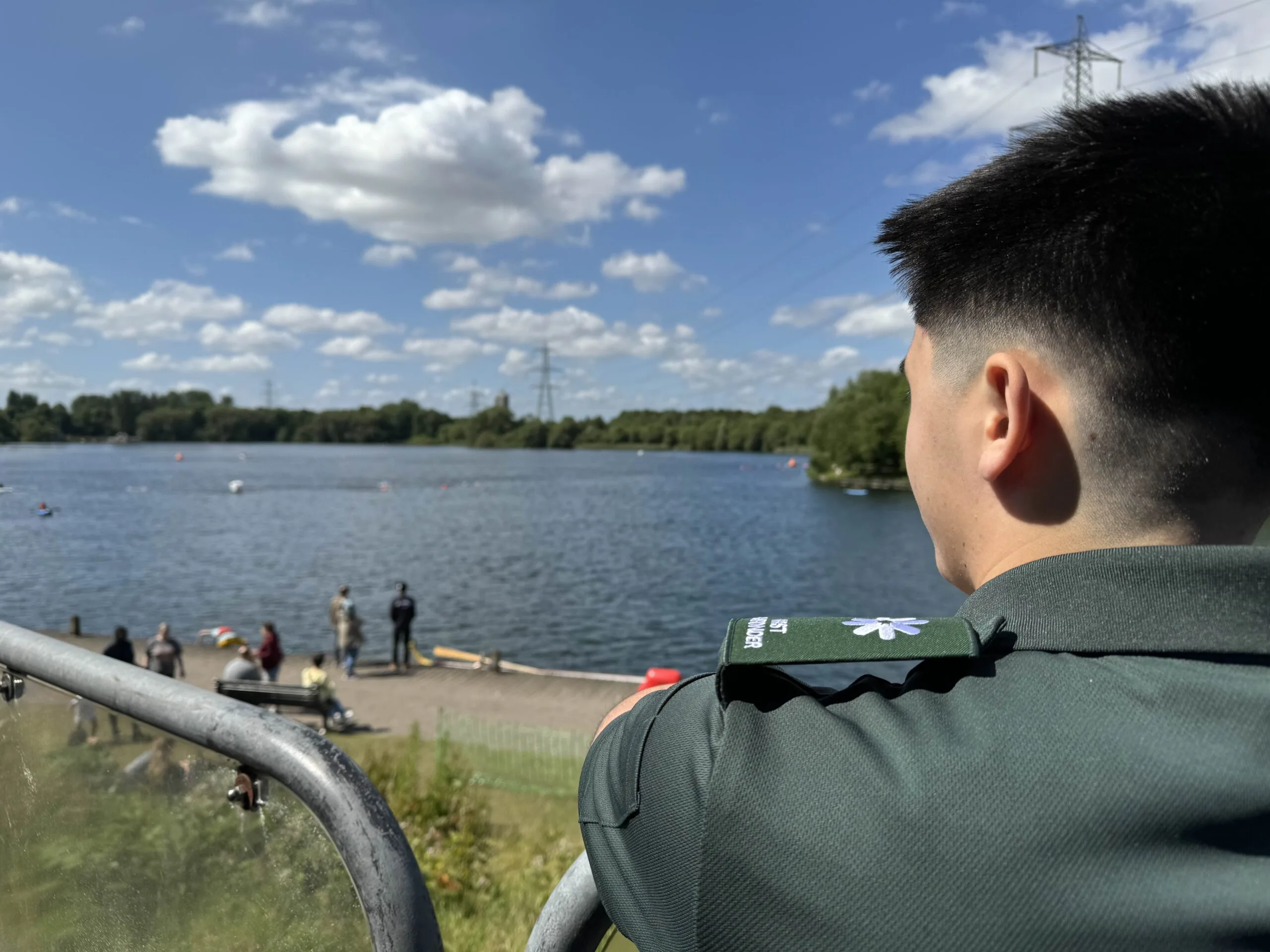
Why can't you plan medical cover using a daily average?
Imagine an eight-hour event where 24 people need medical attention. Spread evenly, that works out at three patients an hour. On paper, it sounds manageable.
Events rarely behave that neatly. Perhaps 12 of those patients arrive between 3pm and 4pm, while the other 12 are scattered across the rest of the day. The team now faces four times the average workload during that busy hour.
Those numbers are simply an example, but the problem is real. A total taken at the end of the day does not show whether the medical team had long quiet spells followed by a sudden queue.
Even an hourly figure can hide trouble. Twelve people arriving steadily over 60 minutes create a different workload from twelve arriving within ten minutes. I would want a medical provider to think about both situations when planning the cover.
How does treatment time affect the number of staff you need?
Patient numbers only tell part of the story. Someone asking for a plaster may take a few minutes. Someone who has collapsed might need several members of staff, monitoring, treatment and possibly an ambulance.
The expected mix of illnesses and injuries is sometimes called the "case mix". In plain English, it means considering what is likely to happen, how serious it might be and how long each patient could occupy the team.
Take the busy hour in our example. If 12 patients each needed about 15 minutes with one clinician, that would add up to three hours of clinical work arriving within a single hour.
That does not automatically mean three clinicians would be enough. Patients will not arrive according to a tidy schedule, and some will need more attention than expected. The point is that a fairly modest patient count can quickly use every available pair of hands.
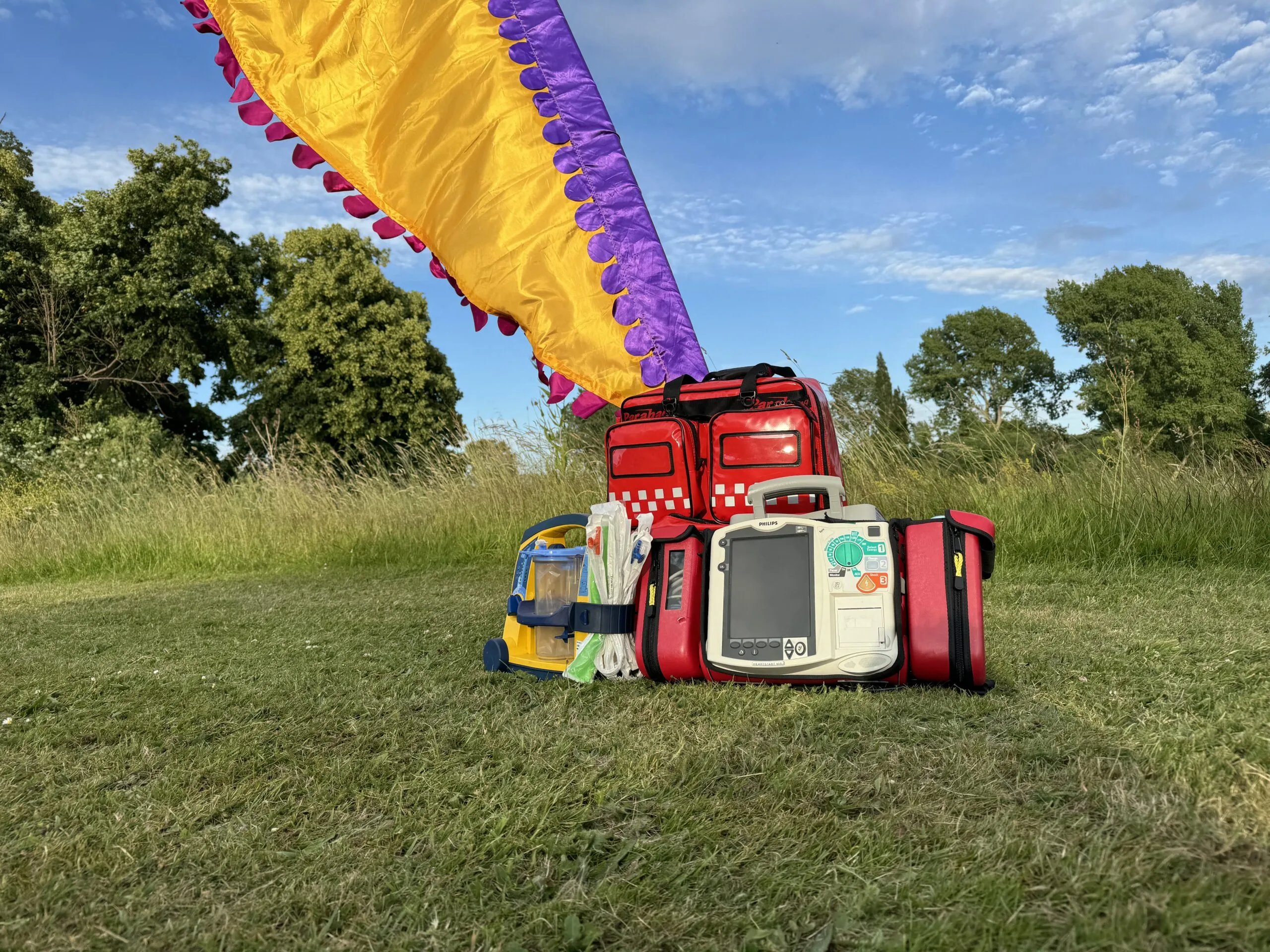
The provider also needs to allow for work away from the treatment area. Reaching a patient, moving them safely through a crowd, completing records and handing them over to an ambulance all take time. A member of staff doing those jobs cannot treat someone else at the same moment.
If you are still working out a baseline team size, see our guide on how many first aiders you need for your event.
When is the busiest hour likely to happen?
Previous event records are the best place to start. Ask for an anonymised account of when patients arrived, what sort of treatment they needed and how long the team was occupied. A report that says "18 patients treated" is far less useful than one showing that nine of them arrived shortly after the main activity finished.
Next, compare those timings with this year's programme. At a running event, demand may rise as the largest group of participants reaches the finish. At a summer fair, heat, alcohol and a crowded afternoon programme could combine. At a concert, the busiest period may fall around the headline performance or when the audience begins to leave.
These patterns are clues rather than rules. A new activity, different audience or change to the site can shift the pressure elsewhere.
The Health and Safety Executive's event planning guidance says that the audience, location, duration, time of day and time of year all help determine the resources an event will need. Give your medical provider the full programme and site information before asking for a final proposal.
Why does staff deployment matter as much as staff numbers?
A quotation may show four medical staff, but that does not mean all four will be free to respond anywhere on the site.
One person might be assigned to a sports area throughout the event. Two may be taking a patient to hospital. Another could already be treating someone in the medical post. The headline number has not changed, but the available response has.
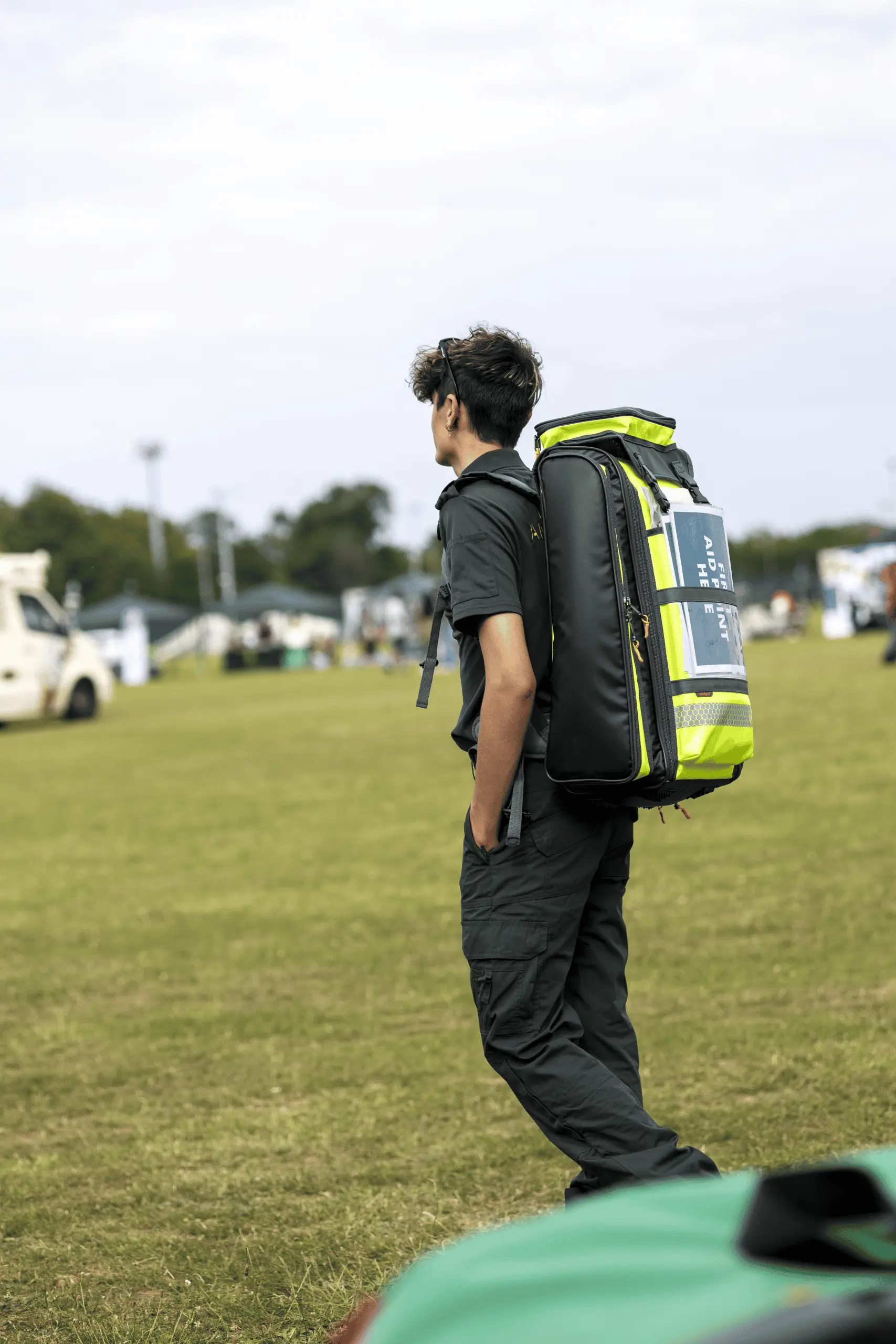
Picture a village show spread over several fields. The main treatment point is beside the entrance, while the busiest activity takes place at the far end of the site. If two staff leave to reach an injured participant, who remains at the treatment point? How long will it take them to get there, and how will they bring the patient back?
Those are ordinary planning questions, not worst-case fantasies. Walk through them with the provider and mark important locations on the site plan.
Skills matter too. Ask who can deal with the more serious problems identified in the risk assessment and whether the right equipment will be close enough to use promptly. "Four staff" is not a complete answer if nobody has explained their roles.
What should happen if the medical team becomes overloaded?
A good medical plan should say what happens when several calls arrive together or a patient needs longer care than expected. This is often called a surge plan. It is simply the agreed response when demand temporarily exceeds the team's normal capacity.
Talk through a believable scenario. The treatment area is occupied, one crew is elsewhere on site and another urgent call comes in. Who decides which patient is seen first? Can staff move from another position? Who contacts the ambulance service, and who tells event control that medical capacity is under pressure?
There may also be a point when an activity needs to pause. That decision should not be invented during a stressful incident. The organiser, medical provider and event control team need to know who has the authority to act.
Hospital transport deserves the same attention. The HSE's guidance on event incidents and emergencies recommends including the visiting public in the medical and ambulance needs assessment. It also advises organisers to clarify how patients will reach hospital and to liaise with local NHS and ambulance services where appropriate.
What should you ask a medical provider before accepting a quote?
Send each provider the same useful information: expected attendance, audience profile, programme, site plan, activities, opening hours and any records from earlier events. A short, thoughtful brief will produce a better proposal than an attendance number sent in isolation.
Ask when they expect the busiest period to occur and what has led them to that view. Then ask who will be available during it, what those people can do and what happens if two or three patients need help together.
You may find that the answer involves extra cover for a few hours, overlapping shifts or moving staff before a particular activity begins. The right arrangement depends on the event, so it should come from the risk assessment rather than a convenient rule of thumb.
After the event, keep the timings as well as the totals. Record queues, delayed responses and periods when the team felt stretched, even if every patient was treated successfully. That detail will make next year's plan sharper.
For a fuller checklist of provider questions, see how to choose an event medical cover provider.
The most revealing question is also the simplest: what will happen during our busiest hour? A credible answer should describe real people, real roles and a plan that still works when several things happen at once.
LightMed plans event medical cover around the peak, not just the daily total. Send the programme, site plan and any previous records, and we will work through a quote that still holds during your busiest hour.